Summary:
- Parkinson’s disease is a progressive neurological disorder that affects movement, balance, and coordination due to the loss of dopamine-producing brain cells.
- Understanding the different Parkinson stages helps patients and caregivers better prepare for how symptoms may develop over time.
- Traditional Chinese Medicine (TCM) focuses on restoring the balance of the body’s energy (Qi), with TCM acupuncture commonly used to support symptom management.
- Acupuncture treatment can be used as a form of complementary medicine alongside conventional care to help reduce tremors, ease muscle stiffness, and improve overall quality of life.
Living with Parkinson’s disease means navigating more than just tremors and stiffness – it means managing a condition that gradually reshapes everyday life.
Parkinson’s is a progressive neurological disorder that affects movement, balance, and overall well-being.
While conventional treatments can help manage symptoms, they do not always address the full picture.
This is why many patients are turning to complementary medicine for additional support. Among the most widely explored options is Traditional Chinese Medicine (TCM), particularly acupuncture treatment. This holistic approach works alongside modern care to help manage symptoms and improve overall quality of life.
Understanding Parkinson’s Disease
Parkinson’s disease occurs when the nerve cells in the brain that produce dopamine, a chemical messenger essential for smooth, coordinated movement, begin to break down and deteriorate.
As dopamine levels decline, the brain gradually loses its ability to send clear movement signals to the body, resulting in the symptoms that define this condition.
The most common symptoms include:
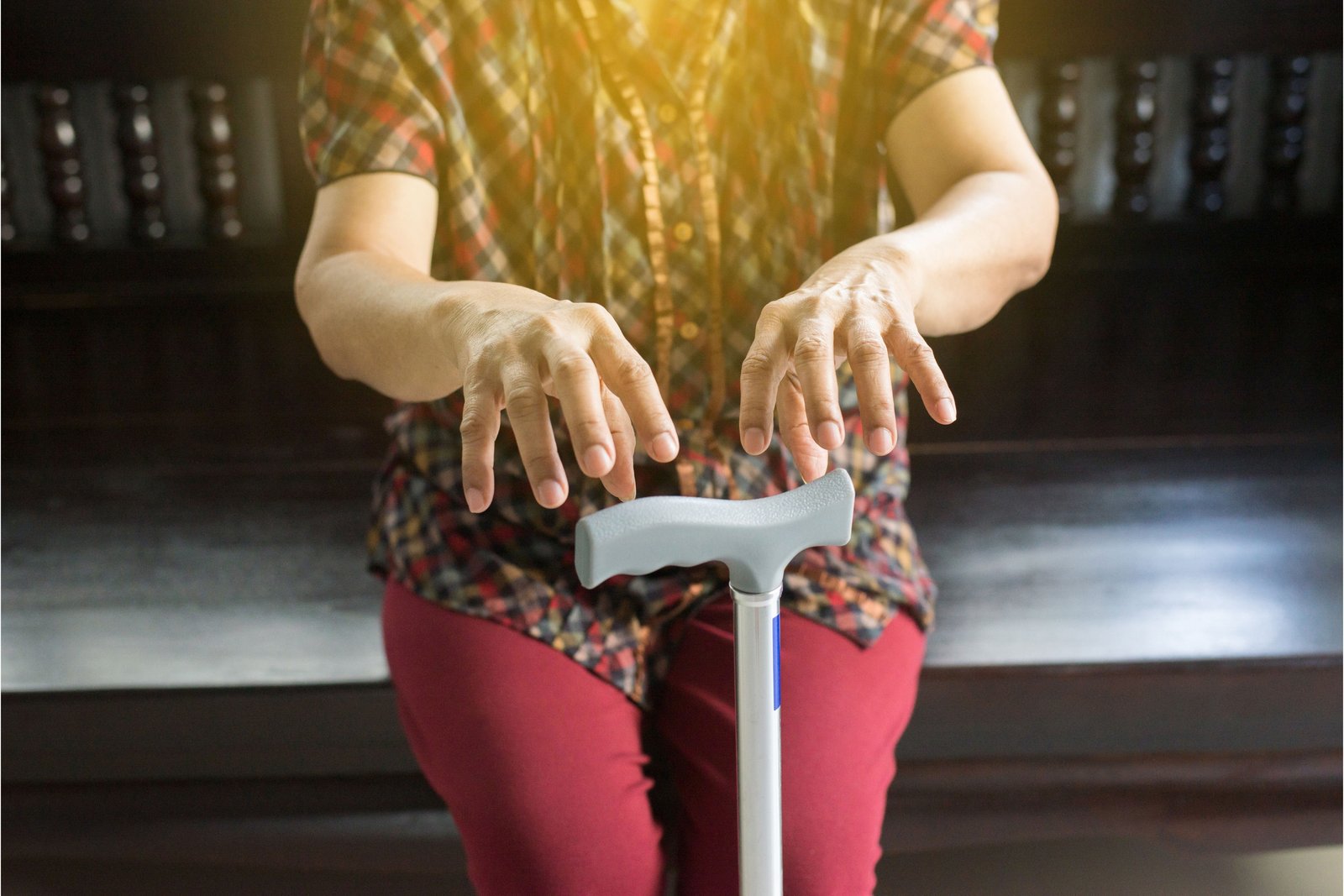
- Tremors — involuntary shaking of the hands, fingers, or legs
- Muscle stiffness — tightness that limits movement and causes discomfort
- Slowed movement (bradykinesia) — everyday tasks take noticeably longer to complete
- Balance difficulties — increasing risk of falls and unstable posture
- Changes in gait — shuffling steps or difficulty initiating movement
Parkinson’s is also a progressive condition, meaning symptoms worsen over time across defined Parkinson stages, from mild and barely noticeable signs in the early phases to significant physical limitations in the later stages.
The 5 Parkinson Stages: What to Expect at Each Phase
Understanding the different Parkinson stages can help patients and caregivers prepare for the progression of the condition and make informed decisions about treatment and support.
Stage 1 — Mild Symptoms
Symptoms are subtle and usually affect only one side of the body. Daily activities remain manageable, and many individuals continue their normal routines with minimal disruption.
Stage 2 — Both Sides Affected
Tremors, stiffness, and slowed movement begin to appear on both sides of the body. However, balance is still generally maintained and most people can still function independently.
Stage 3 — Balance Becomes a Concern
Movement becomes noticeably slower, and balance issues start to increase. While independence is still possible, the risk of falls becomes higher and extra caution is required.
Stage 4 — Significant Limitations
Symptoms become more severe, and daily activities become more difficult. Assistance with certain tasks is often necessary.
Stage 5 — Advanced Stage
Mobility becomes significantly restricted. Many individuals require full-time support and assistance with most daily activities.
How Traditional Chinese Medicine Views Parkinson’s Disease
Traditional Chinese Medicine is a comprehensive healing system that has been practised for thousands of years. It is based on the belief that true health is achieved when the body’s vital energy, known as Qi, flows smoothly and remains balanced.
When this energy flow becomes disrupted, the body becomes more vulnerable to illness and dysfunction.
From a TCM perspective, Parkinson’s disease is often linked to several underlying imbalances, including:
- Weakness in the Liver and Kidney systems
- Disrupted energy flow along the body’s meridian pathways
- The presence of Internal Wind, a concept in TCM associated with symptoms such as tremors, rigidity, and loss of motor control.
Rather than focusing only on symptom suppression, TCM acupuncture works to restore internal balance. Acupuncture points along the meridian pathways are stimulated to improve Qi circulation and calm internal wind.
This treatment may also be complemented by tuina, a therapeutic meridian massage that helps relieve muscle stiffness and improve circulation. Lifestyle adjustments are also commonly recommended to support long-term health.
As a form of alternative medicine, TCM does not aim to replace conventional medical treatment. Instead, it supports the body’s own healing capacity while working alongside modern care. In some cases, herbal support may also be considered as part of a broader treatment plan.
Acupuncture Treatment for Parkinson’s Disease: How It Helps
At the centre of many TCM treatment plans for Parkinson’s is acupuncture treatment.
During acupuncture therapy, ultra-fine needles are gently inserted into specific meridian points in the body. These points stimulate the nervous system, improve blood circulation, and restore the natural balance of Qi.
For Parkinson’s patients, regular acupuncture sessions may offer several benefits:
Reduced tremors — calming internal patterns that trigger involuntary shaking
Relief from muscle stiffness — helping muscles relax and improving flexibility
Improved motor coordination — supporting better communication between the brain and body
Better sleep quality — helping regulate the nervous system for deeper rest
For those seeking acupuncture Malaysia services, choosing a qualified acupuncture clinic with personalized treatment plans is essential for achieving meaningful results.
Complementary Medicine vs Alternative Medicine: What Is the Difference?
The terms complementary medicine and alternative medicine are often confused, but they refer to different approaches to care.
Complementary medicine refers to therapies used together with conventional medical treatment. For Parkinson’s patients, this might include acupuncture treatment, movement therapies, or mindfulness practices, all designed to support medical treatment rather than replace it.
Alternative medicine, on the other hand, refers to treatments used instead of conventional medicine.
However, most healthcare professionals and TCM practitioners agree that therapies such as acupuncture are most effective when used as complementary medicine. The goal is to combine the strengths of both modern medicine and traditional approaches to provide more comprehensive care.
Finding Trusted TCM and Acupuncture Treatment in Malaysia
Interest in TCM Malaysia has grown significantly in recent years. Many patients are now exploring traditional therapies to support the management of chronic conditions, including Parkinson’s disease.
For individuals searching for acupuncture in KL, there are now many treatment centres available. However, the quality of care can vary from clinic to clinic.
When choosing an acupuncture clinic, it is important to look for:
- Certified and experienced TCM practitioners
- Experience treating neurological conditions
- Personalized treatment plans tailored to the patient’s condition
Selecting the right acupuncture Malaysia provider can make a significant difference in treatment outcomes.
Start Your Holistic Parkinson’s Care Journey Today
If you are seeking a comprehensive approach to managing Parkinson’s disease that goes beyond symptom relief, look no further than Doux Visage. We integrate the 3 subsidiaries below to address your condition from its root cause:
- Traditional Chinese Medicine — through our TCM subsidiary, Dr. Goh TCM & Health Management
- Aesthetic & Skin Management — through our aesthetic subsidiary, Doux Visage Aesthetics & Skin Management
- Restorative Health & Skin Products — through our product subsidiary, Dr. Goh Restorative Formula
Explore our holistic Parkinson’s care approach and schedule a personalized consultation to begin your journey towards better movement, greater balance, and improved quality of life.
Contact us today at +603 7728 6113 or +6012 622 4868.